Selectable resistance
Interchangeable loading supports provider-directed progression.
 Provider & clinic login
ISO Metrik Device
A provider-directed intraoral resistance platform designed to bring structured loading, controlled movement, and documented progression into facial and oral-motor rehabilitation.
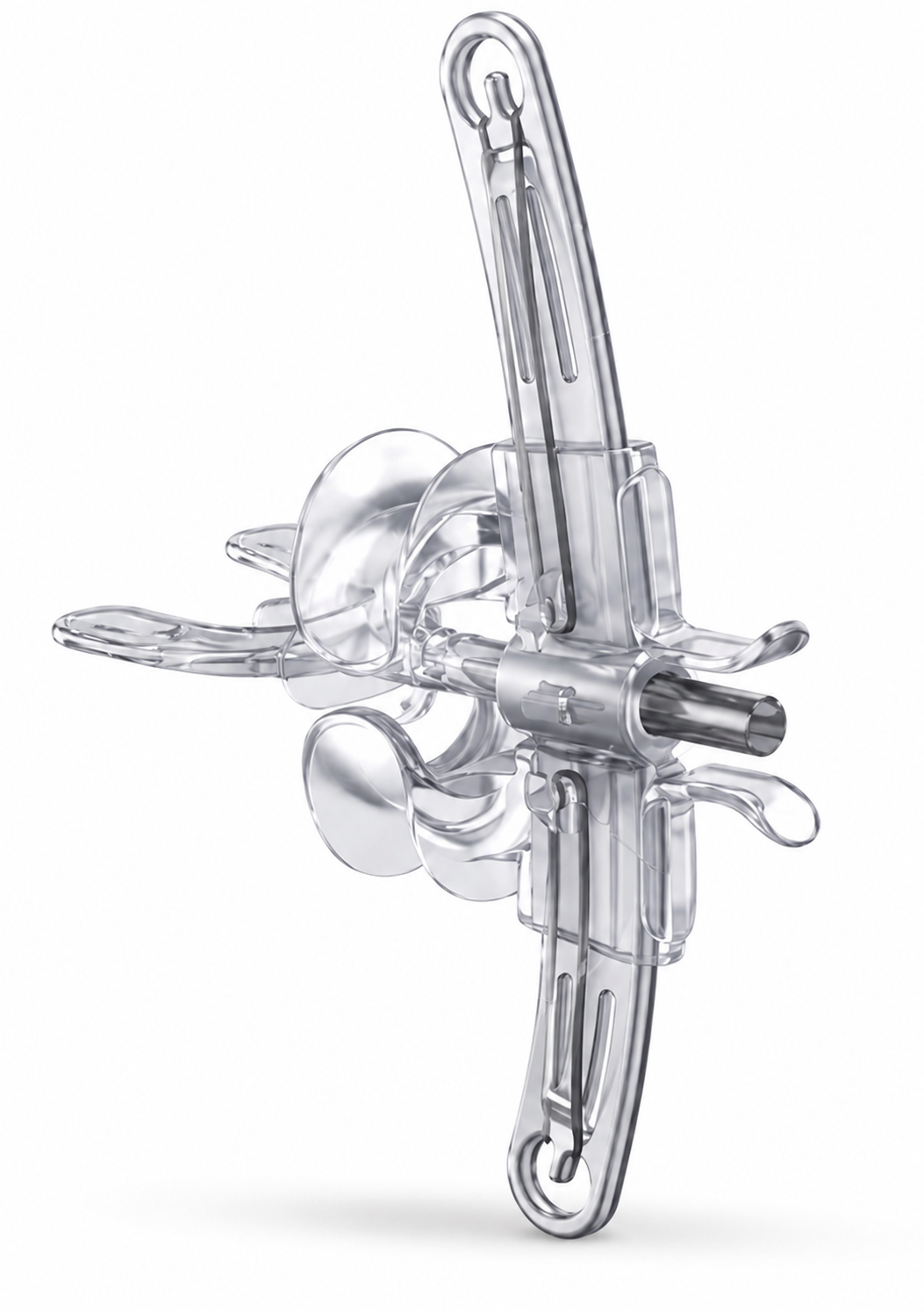
Interchangeable loading supports provider-directed progression.
Horizontal, vertical, right diagonal, and left diagonal exercise pathways.
Supports isometric, isotonic, and controlled isokinetic-style training strategies.
Connect treatment parameters with reassessment and documented response.
Device architecture
The ISO Metrik Device combines an intraoral anchor, movement interface, perioral engagement points, and interchangeable resistance elements in one provider-directed platform.
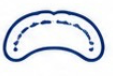
Provides stable intraoral anchoring and distributes occlusal forces across the dental arch.
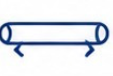
Supports controlled lateral and horizontal movement against resistance.

Engage the perioral region and surrounding musculature during guided exercise.
Provide interchangeable loading options for structured advancement.
Movement directions
The therapist selects movement direction according to the patient’s presentation, treatment objective, movement quality, and tolerance.
Controlled lateral resistance across the perioral region.
Superior-inferior resistance for controlled vertical recruitment.
Diagonal loading for asymmetric or directional treatment goals.
Opposing diagonal loading within the same structured framework.
Exercise modes
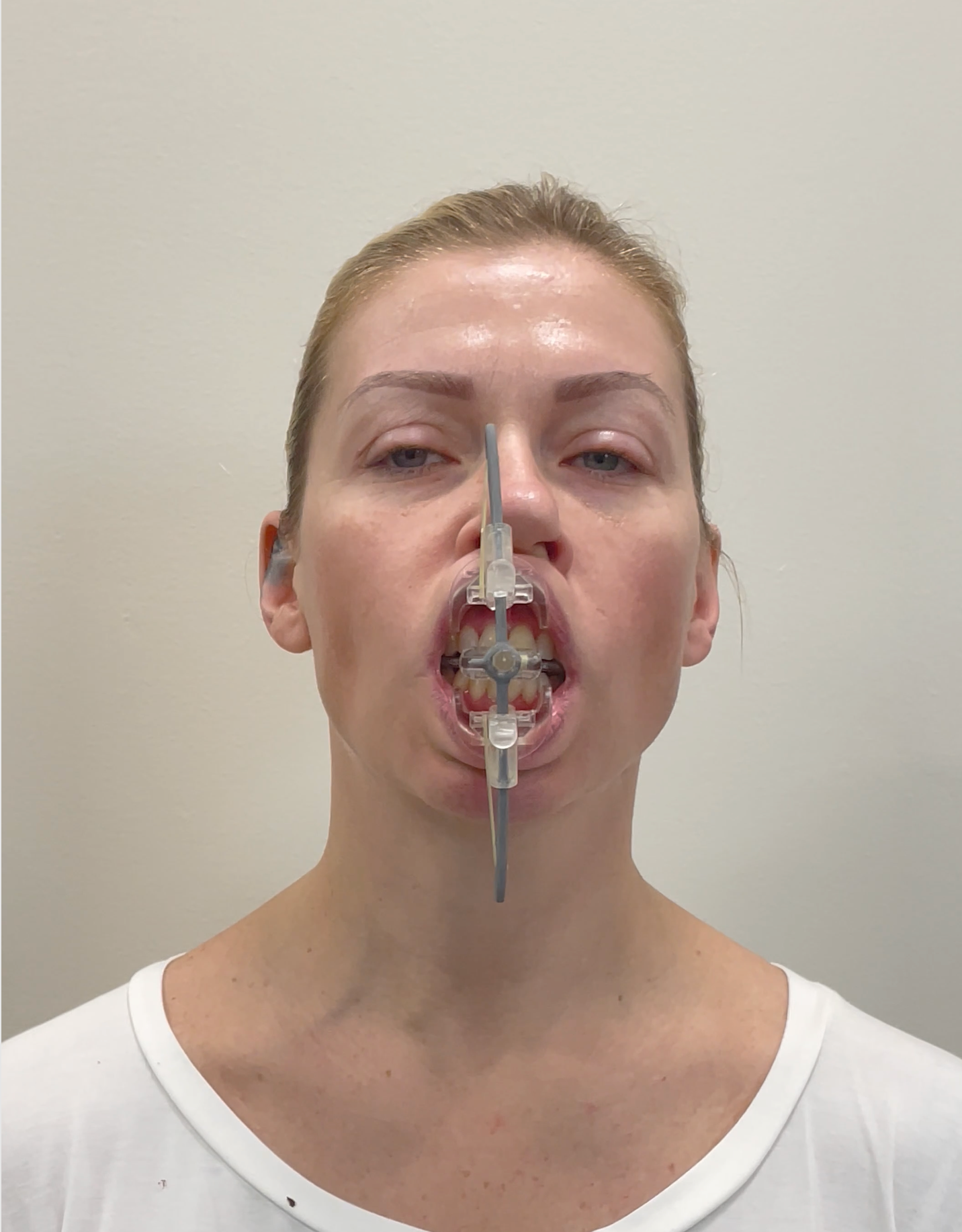
Generate muscular effort against resistance while limiting visible movement.
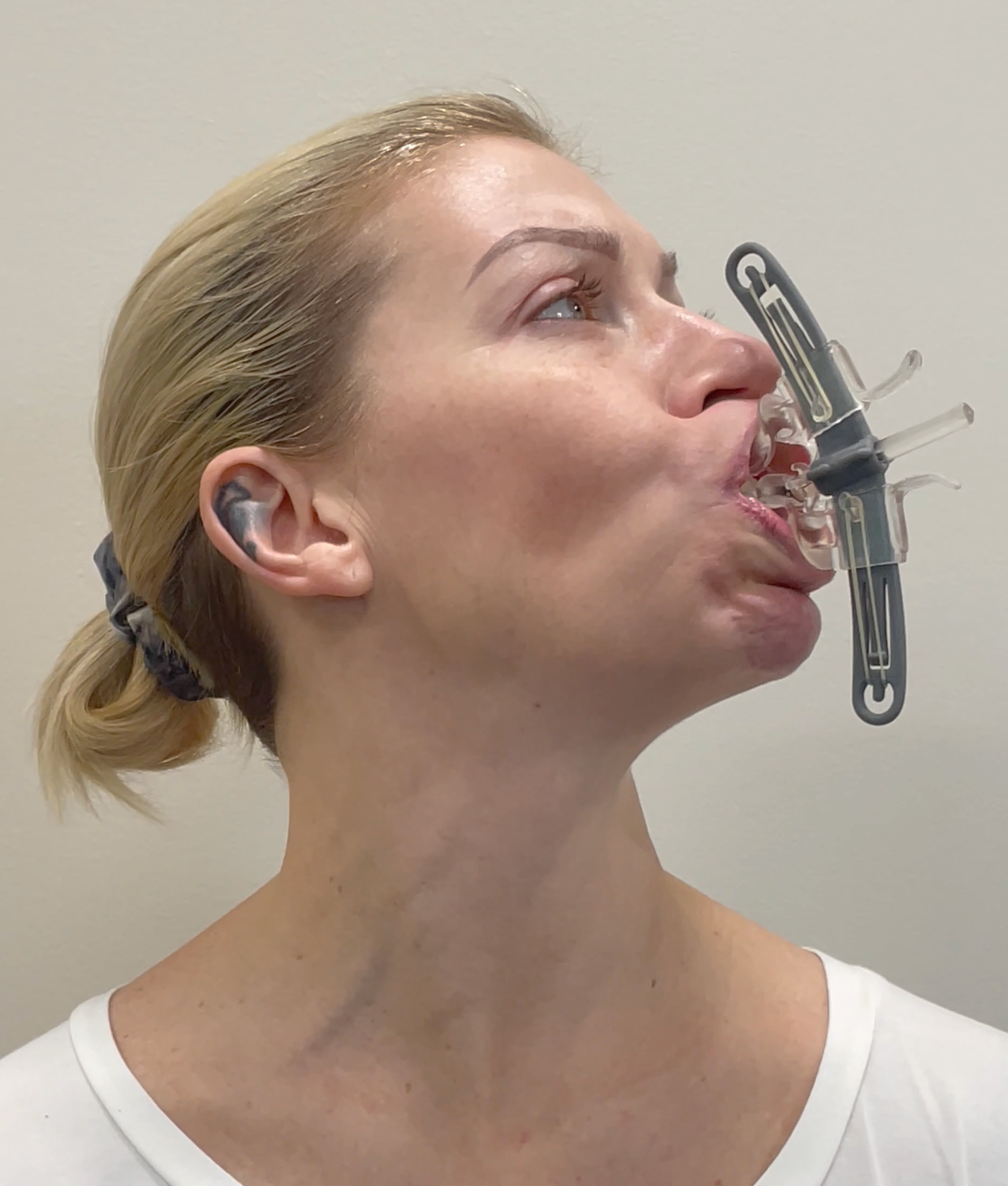
Move through a controlled range while working against selected resistance.
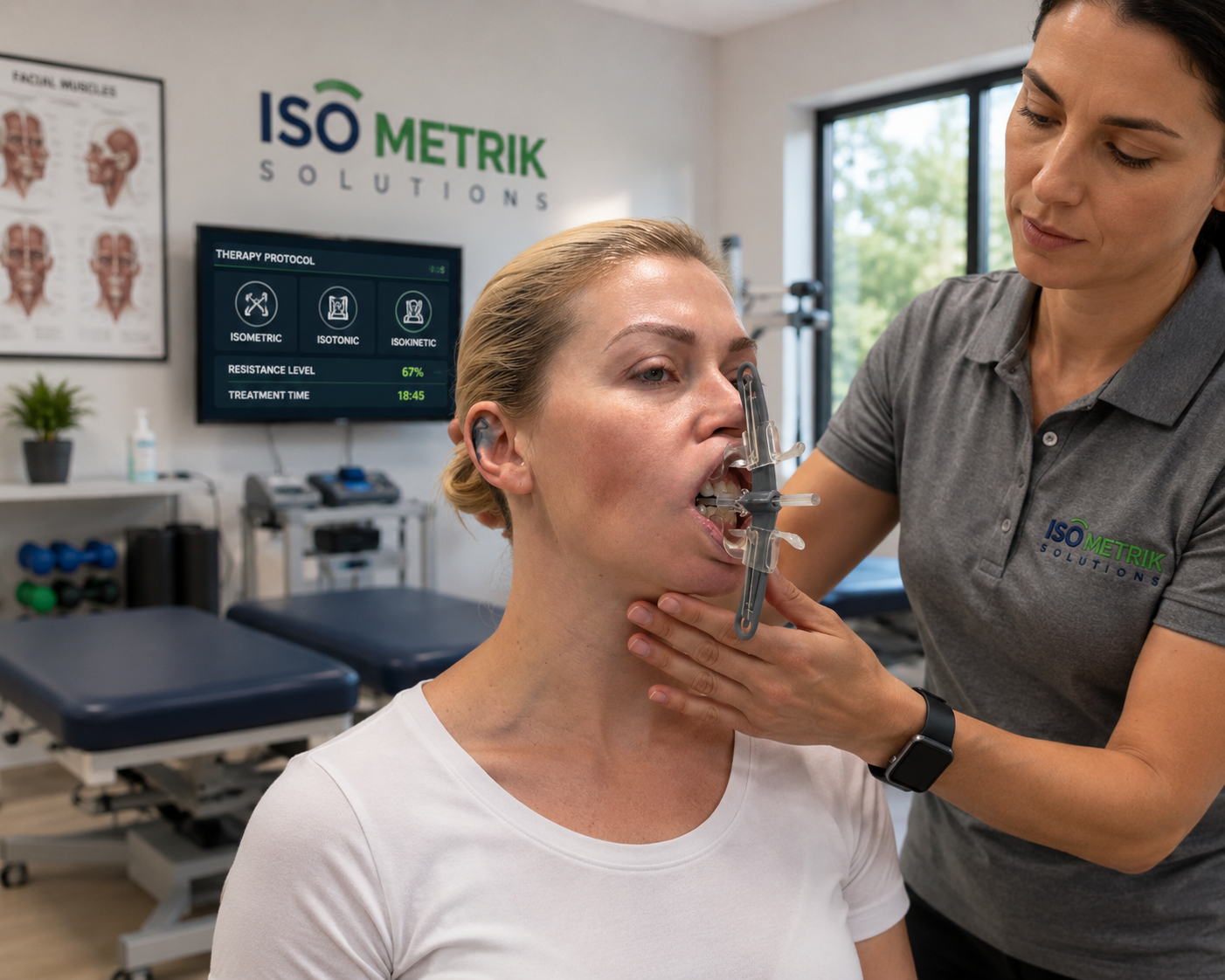
Use controlled pace and therapist-defined parameters to emphasize movement quality and consistency.
Provider-directed process
ISO Metrik is intended to support a structured process in which assessment determines the protocol, treatment dose, movement direction, and progression.
Access provider resources →Document baseline facial movement, symmetry, control, functional limitations, precautions, and treatment goals.
Choose the appropriate protocol, movement direction, exercise mode, and starting resistance.
Guide device placement, cue the exercise, monitor movement quality, and observe compensatory activity.
Record sets, repetitions, hold time, resistance, response, symmetry, fatigue, pain, and other relevant observations.
Advance or modify treatment when clinical criteria, movement quality, and patient response support progression.
Built for professional rehabilitation
Supports provider-directed facial neuromuscular resistance training, movement control, reassessment, and progression within the therapist’s plan of care.
PT provider access →Provides a structured resistance platform that can complement appropriate oral-motor and facial control workflows within the speech therapist’s scope and clinical judgment.
SLP provider access →Measurable progression
A structured record makes it easier to understand what was prescribed, how the patient performed, and what should happen next.
Provider access
Access provider onboarding, protocols, processes, training, and clinic implementation resources through the secure provider portal.