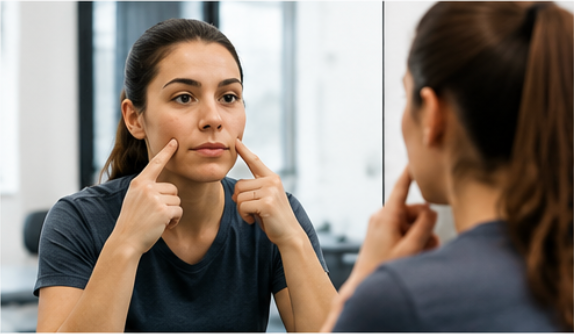

Facial Exercises & Mirror Therapy
Improves facial symmetry, muscle control, and motor relearning.
 Provider & clinic login ↗
Facial neuromuscular rehabilitation
Calibrated isometric, isotonic, and isokinetic resistance therapy—built for physical therapy and speech-language pathology clinics.
✓ In-clinic precision. At-home continuity. Measurable progress.
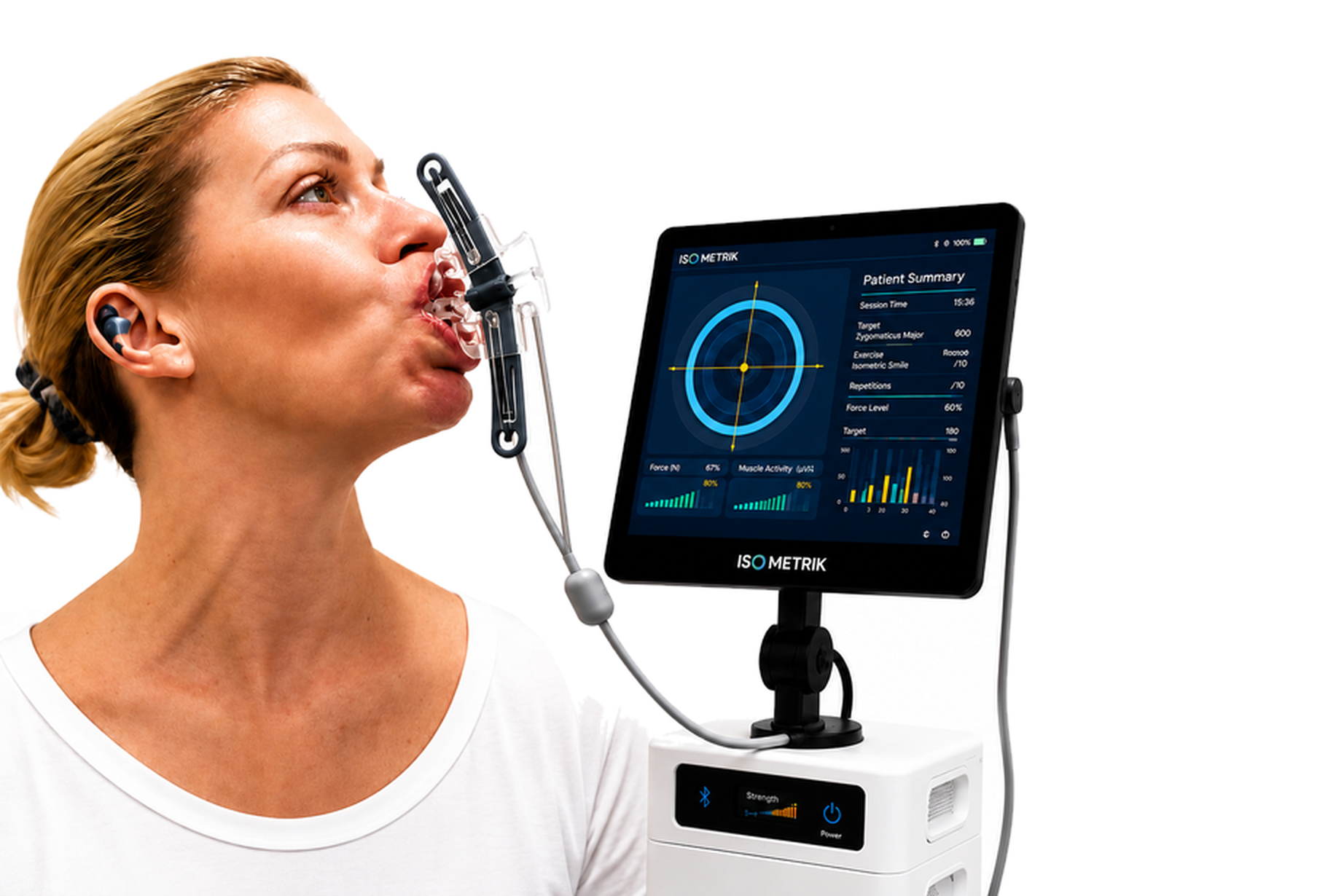
Structured loading designed for facial and oral-motor muscles.
One provider-directed pathway beyond the treatment room.
New clinical and wellness partnerships can expand qualified clinic traffic.
The clinical need
Loss of facial motor control can affect expression, speech, eating, drinking, oral seal, and confidence. ISO Metrik is designed to give providers a structured rehabilitation pathway for patients whose recovery needs extend beyond observation and time.
Improves facial symmetry, muscle control, and motor relearning.

Enhances communication, articulation, speech clarity, and swallowing.
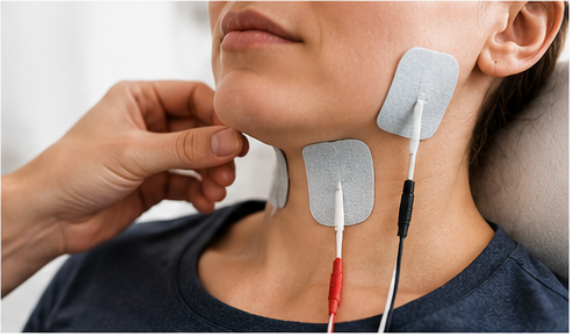
Activates weakened muscles and helps retrain neuromuscular pathways.
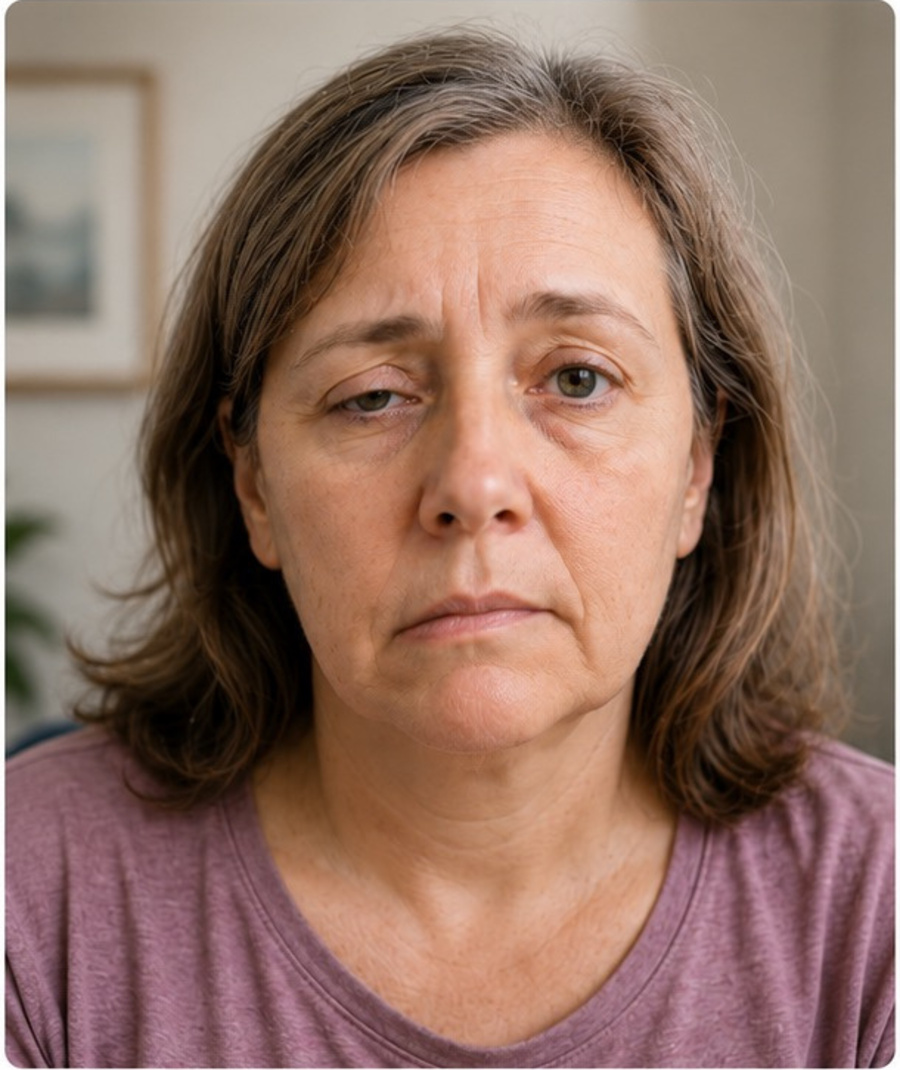
Function. Identity. Connection.
The smallest movements influence how patients communicate, nourish themselves, and connect with other people.
Facial paralysis erases the unconscious cues that define identity and social connection.
Orbicularis and buccinator weakness impairs articulation, intelligibility, and confidence.
Incomplete lip seal creates spillage, aspiration risk, and loss of nutritional independence.
Functional deficits compel social withdrawal, depression, and reduced rehabilitation adherence.
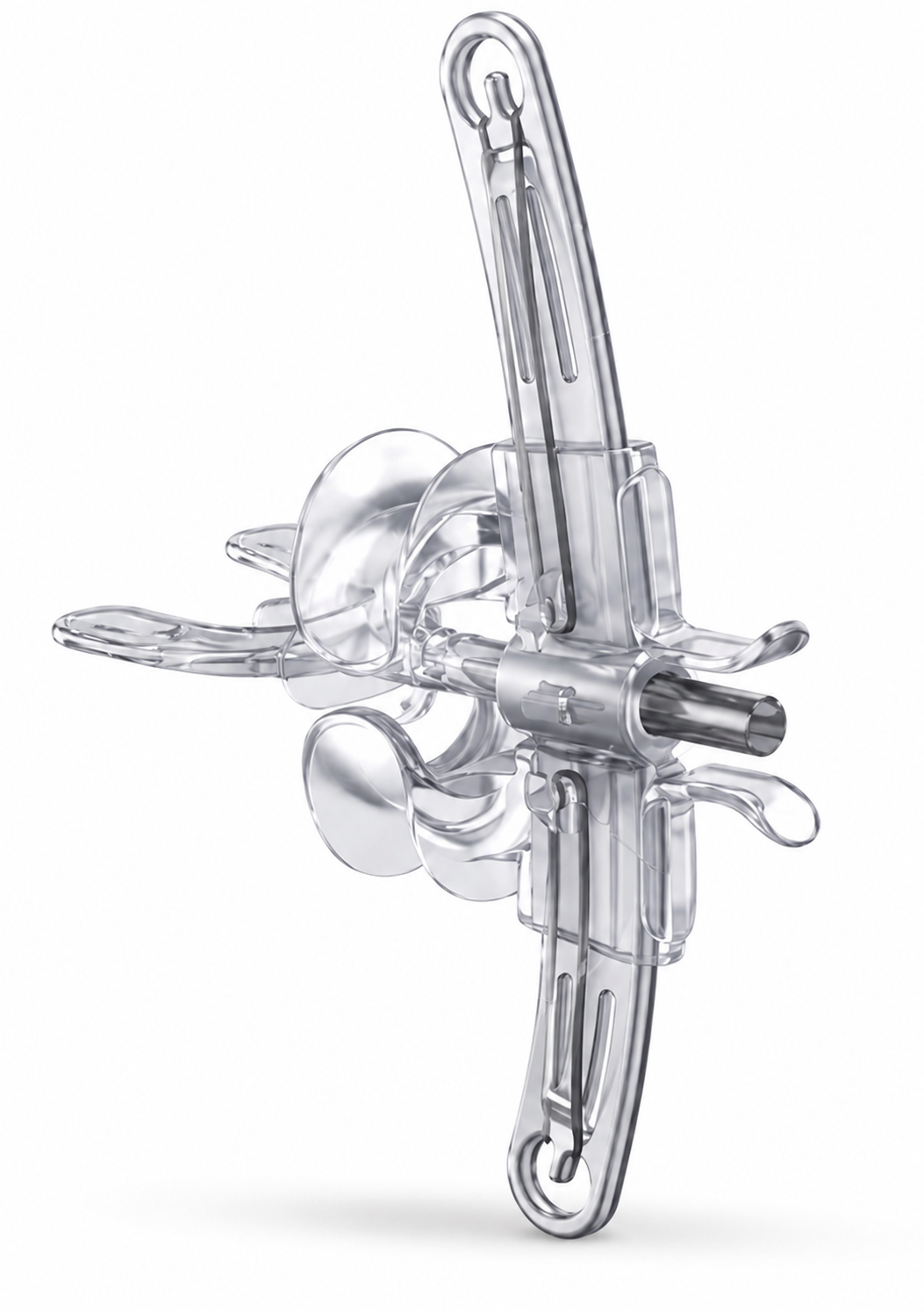
The ISO Metrik device
Its modular architecture allows clinicians to select resistance, target perioral muscle groups, and advance loading parameters as strength and function improve.
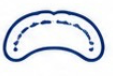
Provides stable intraoral anchoring and distributes occlusal forces.
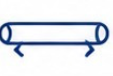
Supports controlled lateral and horizontal movement against resistance.
Engage the perioral region and surrounding musculature.
Provide interchangeable levels for structured progression.
Wellness & GLP-1 referral market
Patients using GLP-1 medications—including Ozempic®, Wegovy®, Mounjaro®, and Zepbound®—may seek support for facial hollowing, reduced soft-tissue volume, and a perceived loss of tone following rapid weight loss.
Often called “Ozempic face,” these visible changes can reflect the loss of facial fat and soft-tissue volume as body weight declines. ISO Metrik does not replace lost facial volume. It gives qualified providers a structured pathway for facial muscle conditioning, motor control, and measurable neuromuscular rehabilitation.

Medical weight-loss, obesity medicine, endocrinology, and primary-care practices encounter patients concerned about facial changes during treatment.

Plastic surgeons, dermatologists, and medical spas can distinguish volume-restoration options from facial muscle rehabilitation.
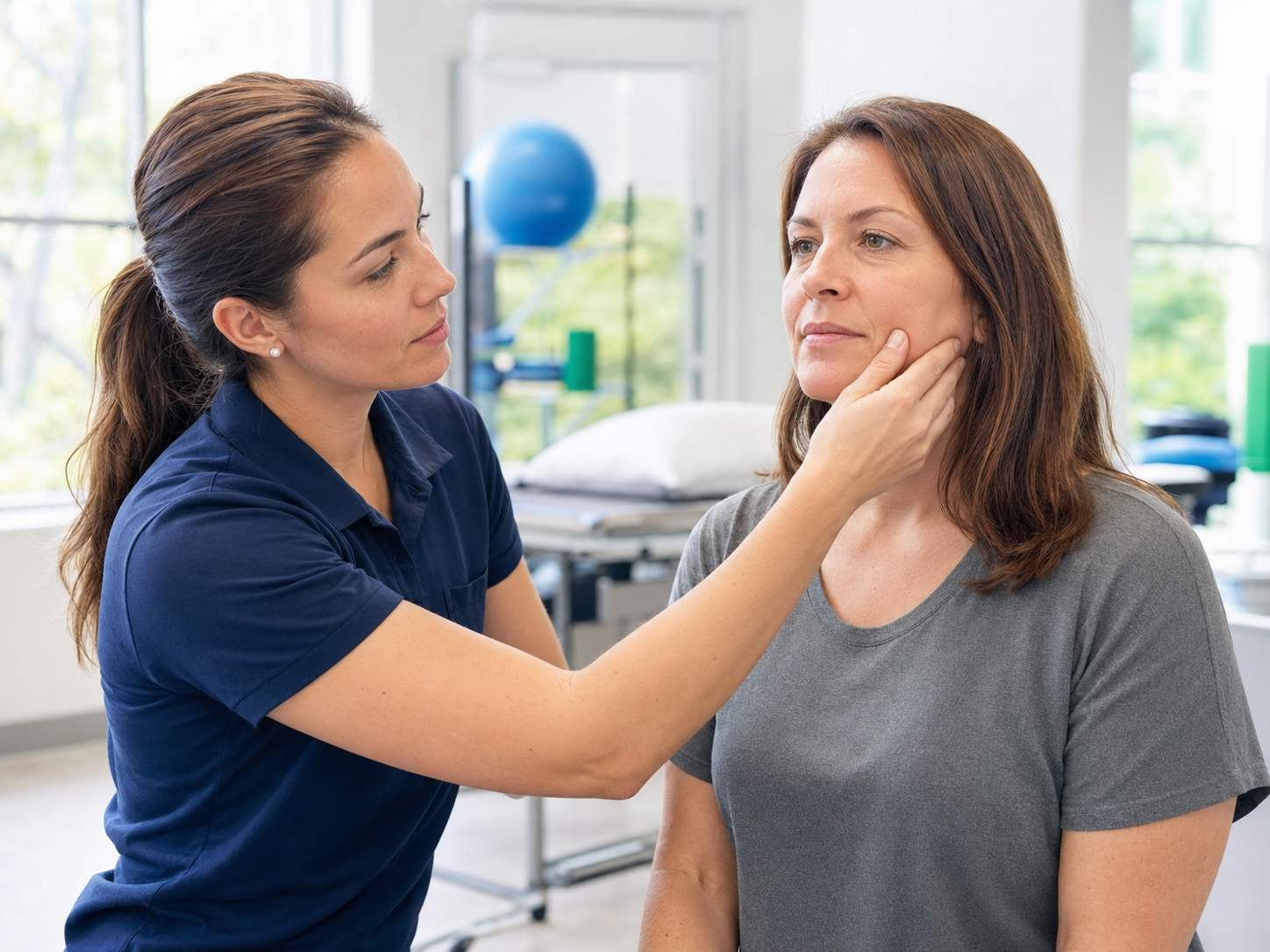
Participating partners direct appropriate patients to ISO Metrik PT and SLP providers for evaluation and provider-directed treatment.
Three foundations of rehabilitation science
ISO Metrik brings familiar physical-therapy principles to targeted facial and oral-motor rehabilitation.
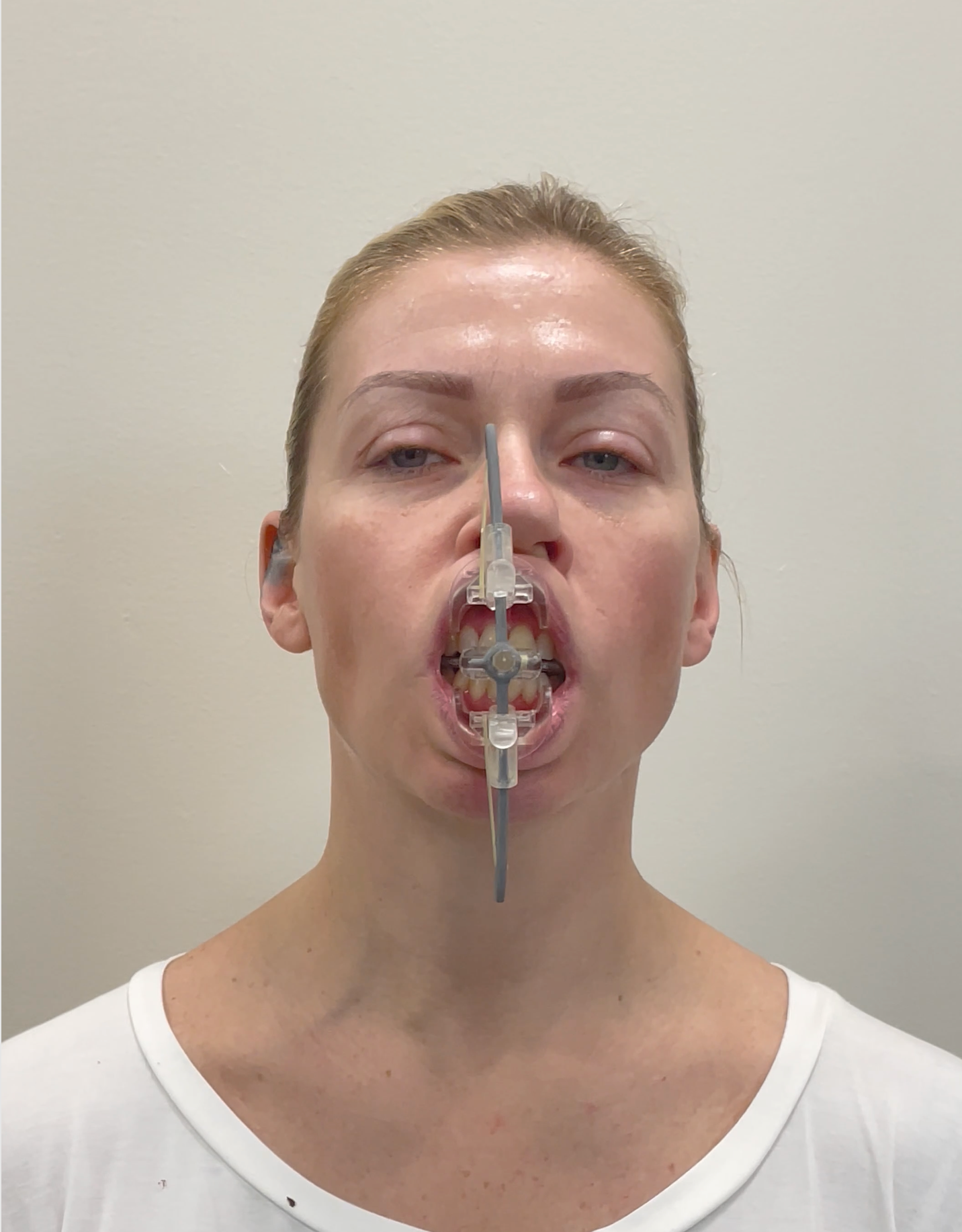
The patient contracts the target muscles against fixed resistance while maintaining one position.
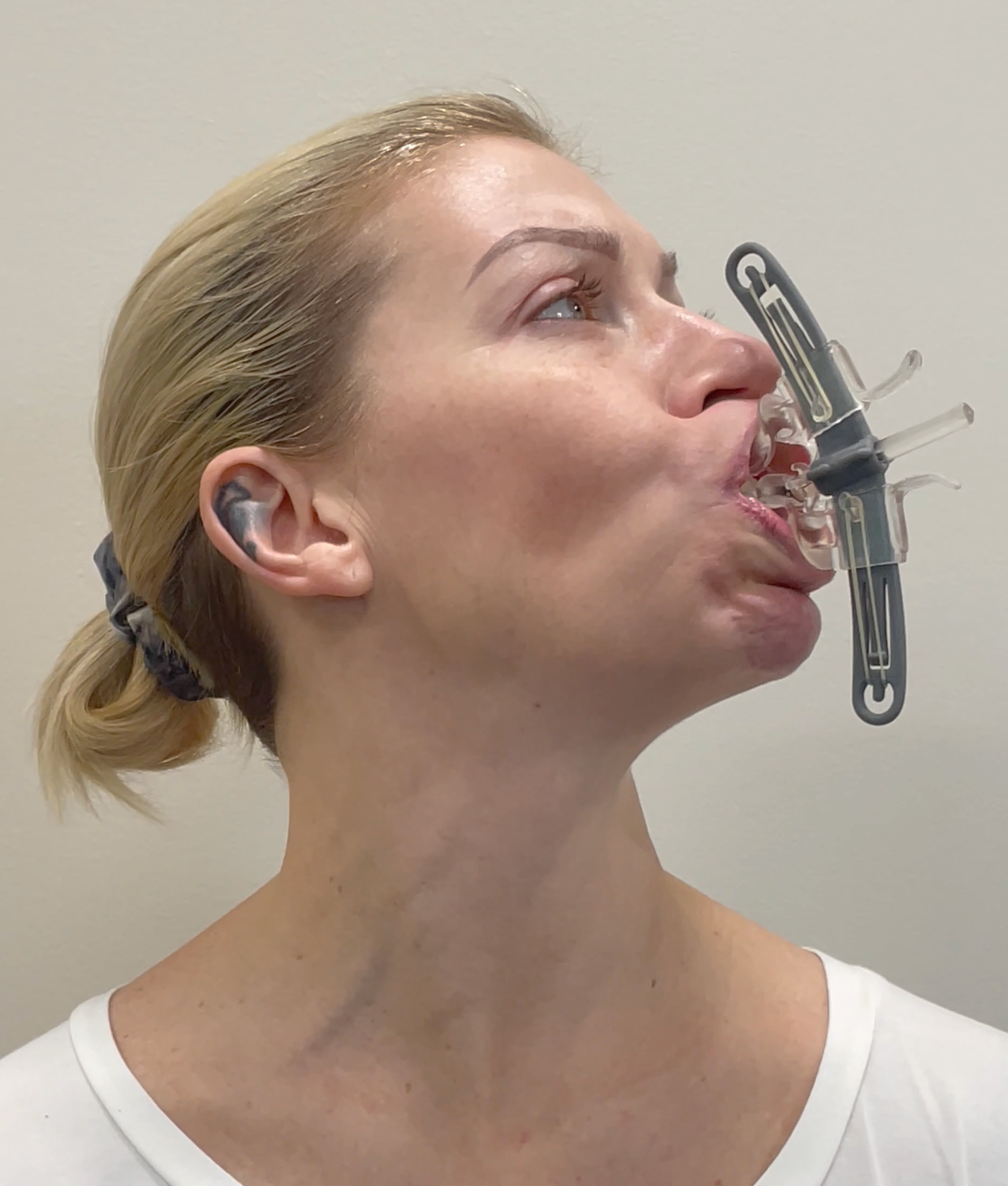
The patient moves through a controlled range while working against consistent resistance.
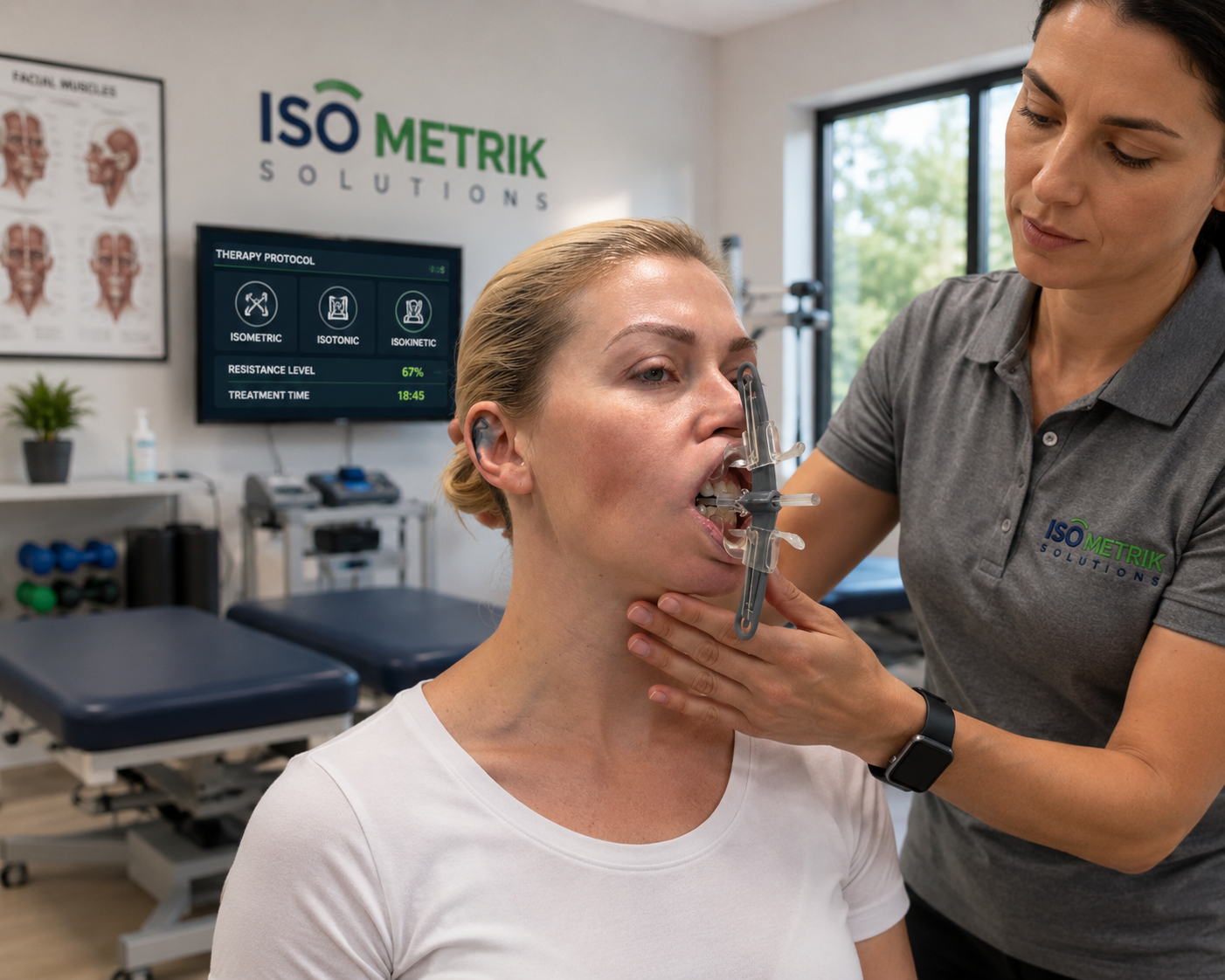
The patient follows a controlled movement speed while resistance adapts to the applied effort.
Isometric resistance
Controlled resistance is applied while the target facial muscles hold a stable position—supporting early activation, baseline strength, and motor control.
The science behind ISO Metrik
ISO Metrik was created to restore what matters most — strength, function, and confidence.
Our technology is built on science, validated by research, and trusted by professionals.
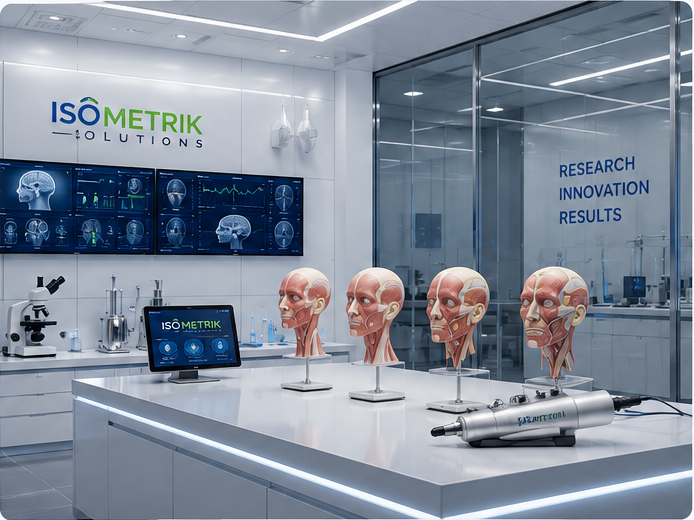
Founded by Capri McGhee following his personal journey overcoming facial muscle paralysis, ISO Metrik represents over a decade of dedicated research and development.
Protected by 22 patents covering both device design and treatment methodology, this technology addresses facial osteoporosis and muscle atrophy—fundamental challenges in conditions such as facial paralysis, Bell's palsy, stroke recovery, neuromuscular disorders, TMJ dysfunction, GLP-1 muscle loss, dysphagia, oral motor disorders, speech rehabilitation, orthopedic injuries, and personal injury rehabilitation.
The ISO Metrik Device is equally valuable for both physical therapy (PT) and speech-language pathology (SLP) professionals treating these facial muscle and functional conditions.
Clinical protocols grounded in science and validated by research for measurable patient outcomes.
Manufactured in FDA-registered facilities under strict quality and safety standards.
22 patents protecting our device design, technology, and treatment methodology worldwide.
Supported by ongoing clinical studies and real-world data demonstrating functional improvement.
Attract orthopedic and personal injury patients to increase clinic traffic and drive practice growth.
Continuity of care
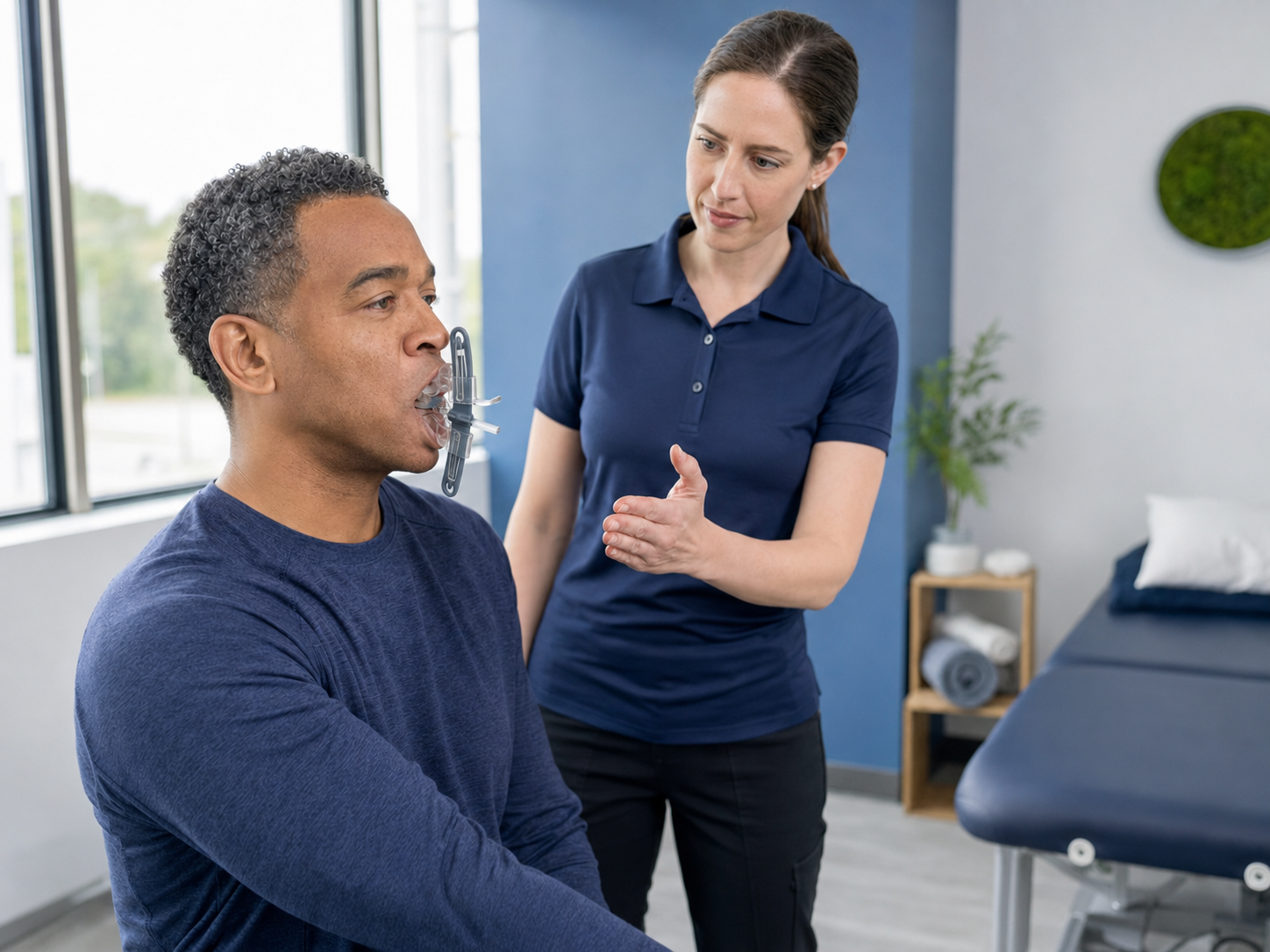
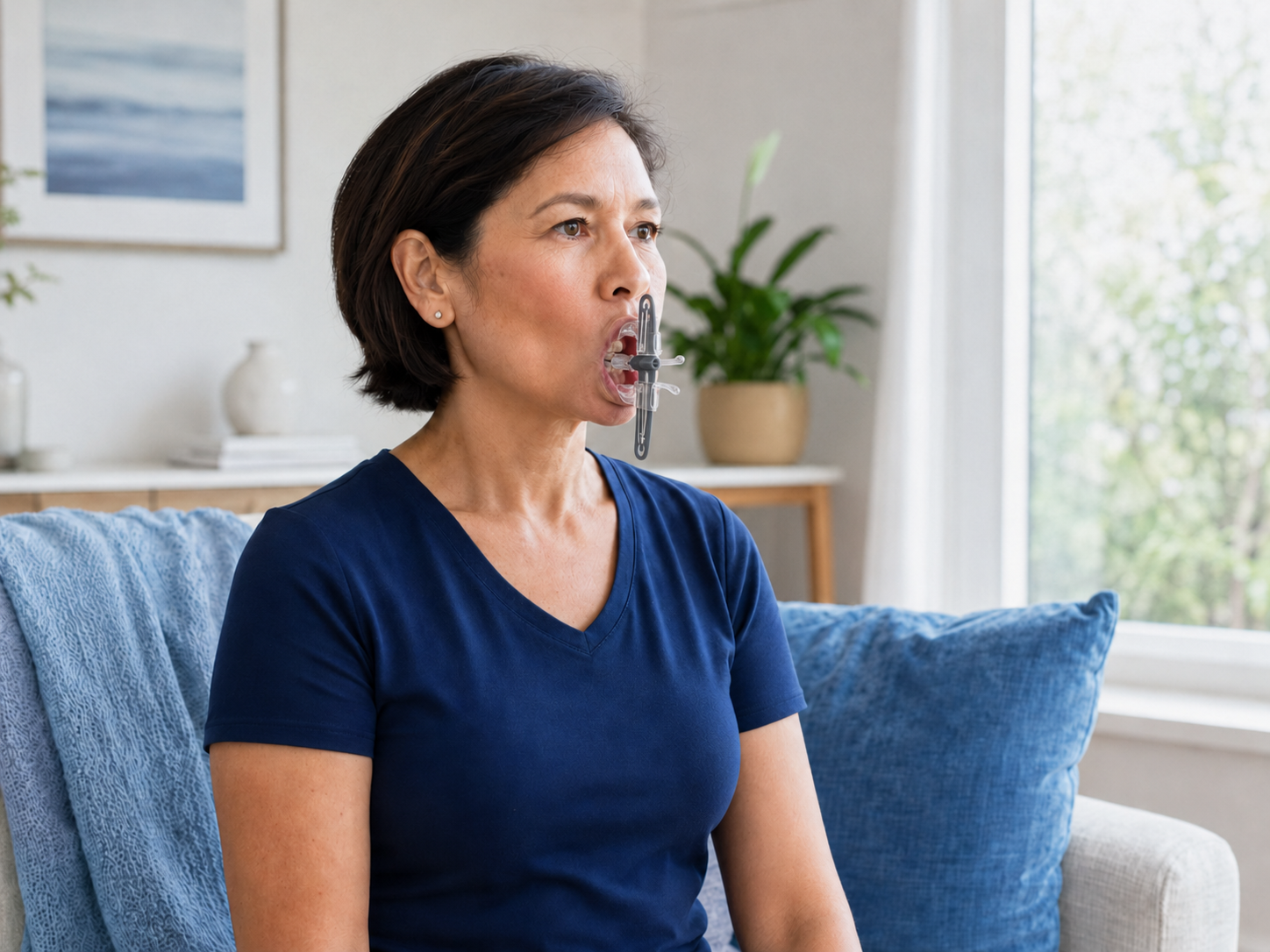
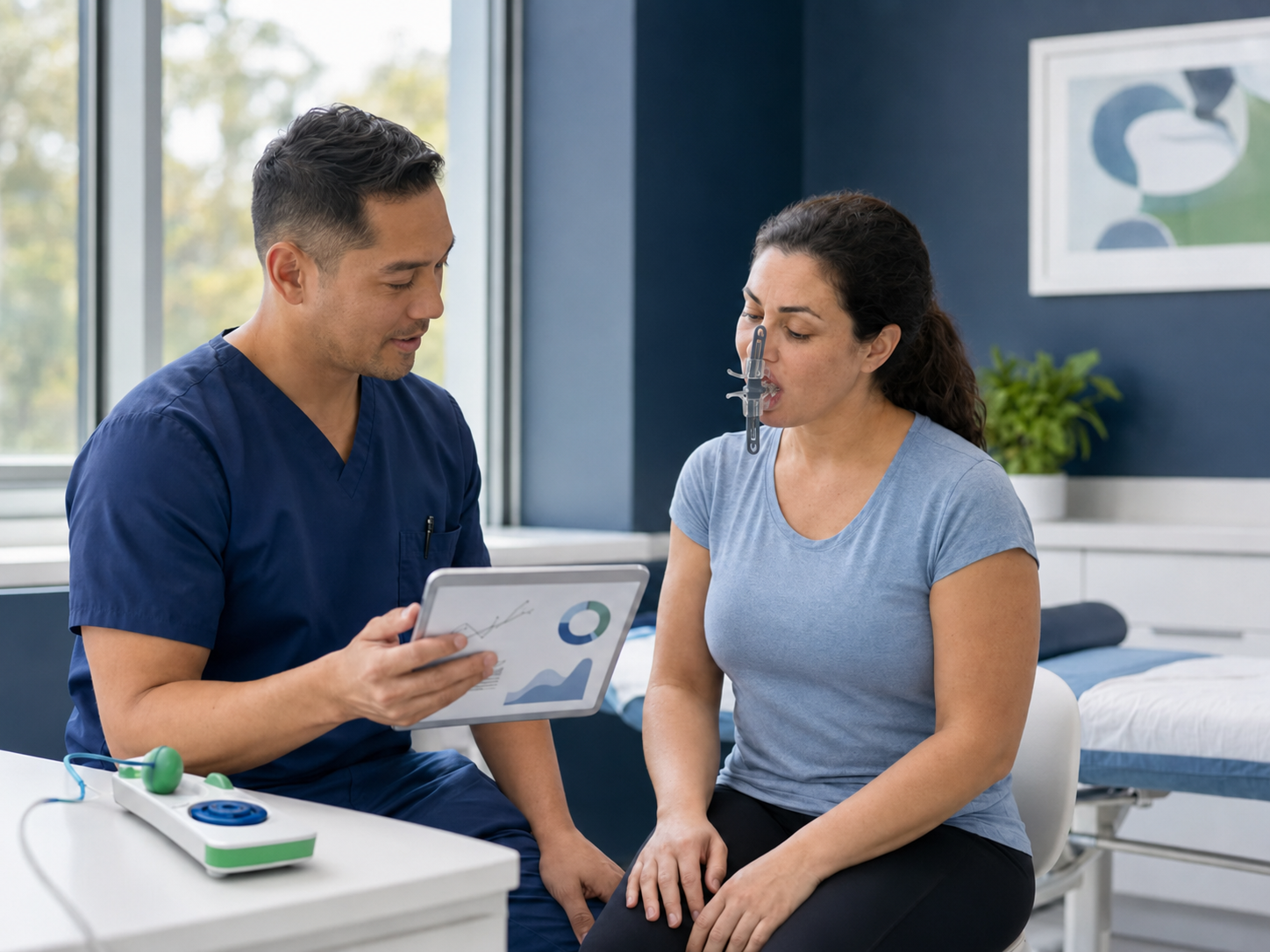
ISO Metrik connects supervised treatment with a structured home program, using the same device and provider-defined resistance parameters across the patient journey.
 01
01Supervised technique, calibrated loading, and outcome assessment.
 02
02Prescribed daily exercise extends therapeutic practice between visits.
 03
03Resistance and goals evolve as control, endurance, and function improve.
Measurement-led rehabilitation
Objective measurements help providers establish a baseline, monitor functional change, and adjust the treatment plan throughout recovery.
Discuss a clinical pilot →Document symmetry, movement, strength, endurance, and functional limitations.
Compare follow-up performance with the patient’s starting point.
Refine resistance and exercise parameters as recovery advances.
Clinical outcome tracking
Real measurements. Visible progress. Better patient experiences.
A provider checkpoint for reassessing facial muscle activation, movement quality, adherence, and functional control during the opening phase of care.
Programs can be adjusted to diagnosis, baseline function, treatment goals, response to loading, and the clinical judgment of the treating professional.
A service-quality target that participating clinics can measure through patient-reported experience, confidence, usability, and care-continuity surveys.
Program timeframes and satisfaction figures are planning benchmarks and quality targets—not guaranteed clinical outcomes. Treatment length and individual results vary by diagnosis, baseline status, adherence, provider judgment, and other clinical factors.
A connected clinical pathway
Facial neuromuscular dysfunction intersects multiple clinical disciplines. ISO Metrik gives rehabilitation providers a common platform around which care can be coordinated.
Progressive resistance and motor retraining
Oral-motor function, articulation, and lip closure
Stroke, Bell’s palsy, and facial nerve disorders
Neuromuscular re-education and recovery planning
Facial nerve and post-procedural recovery
Perioral and oral-maxillofacial rehabilitation
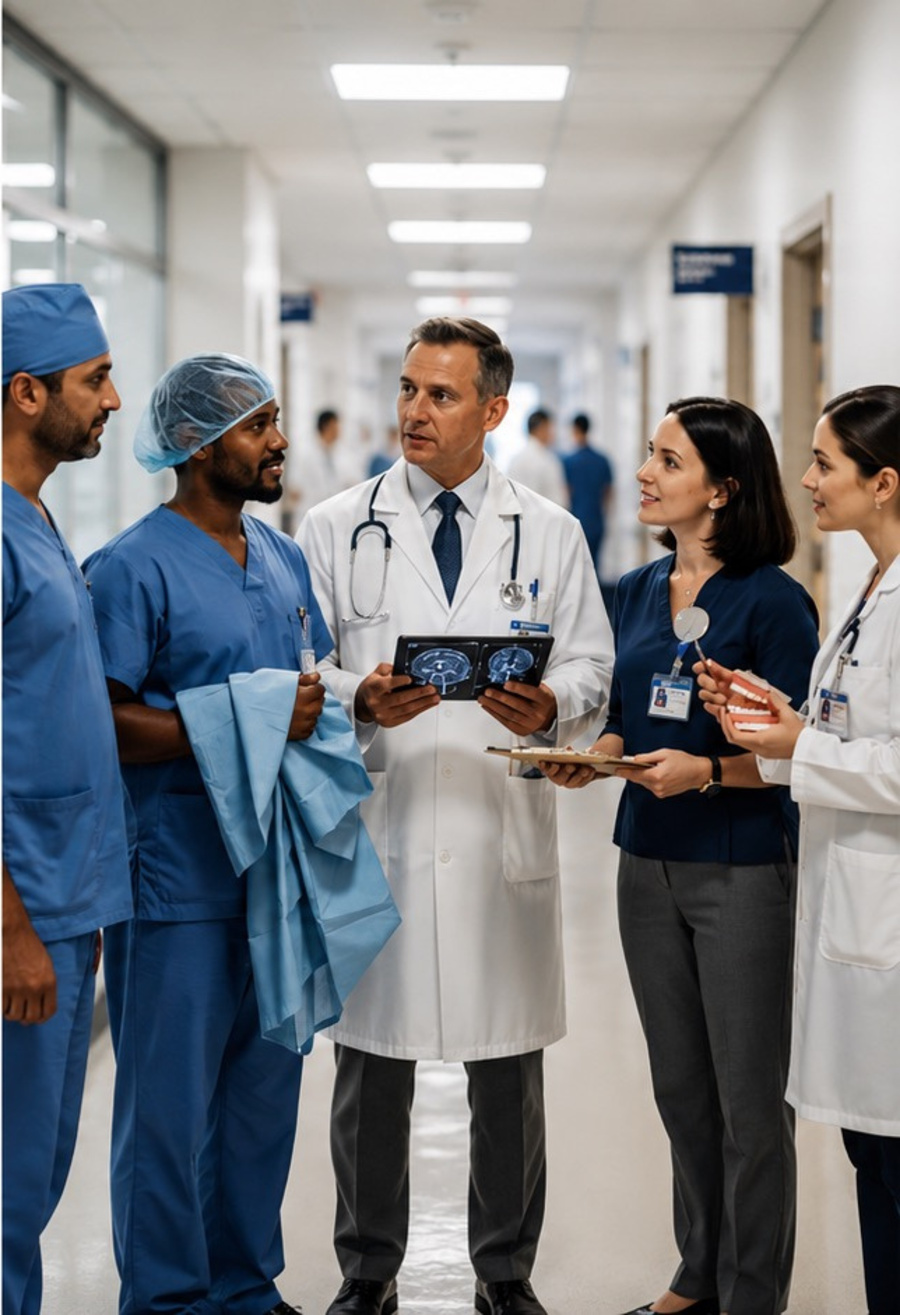
Advance your practice
ISO Metrik is the nation’s first integrated rehabilitation platform for Facial Neuromuscular Recovery, Wellness–GLP-1/Peptides, TMJ, Orthopedic, and Speech-Language Pathology. Deliver exceptional patient outcomes while growing your practice and expanding referral relationships.
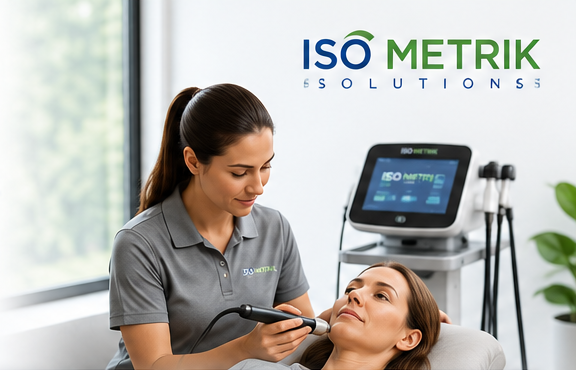
Provide patients with a clinically guided, non-invasive solution that restores strength, function, coordination, and mobility without surgery or pharmaceuticals. The ISO Metrik Device supports treatment protocols for:
The ISO Metrik platform combines Isometric, Isotonic, and Isokinetic Therapy into one comprehensive rehabilitation system that helps patients:
Every patient receives an individualized treatment program tailored to their diagnosis, functional deficits, and rehabilitation goals. Protocols can be customized for:
Differentiate your clinic by offering innovative rehabilitation services that attract new referrals and expand your patient base. Create new referral relationships with:
Neuromuscular
Recovery
Facial
Rehabilitation
TMJ
Rehabilitation
Orthopedic
Rehabilitation
Speech &
Swallowing
Wellness &
Healthy Aging
Clinic growth, patient acquisition & revenue
ISO Metrik gives therapy clinics a defined service line around which hospitals, physicians, weight-loss providers, and wellness practices can refer. The model is designed to create qualified patient demand, additional evaluations, multi-visit treatment programs, and a broader referral base—giving clinics a practical pathway to incremental revenue.
How ISO Metrik can increase clinic traffic and revenue
Simple screening criteria and patient education help partners recognize who may benefit from a therapy evaluation.
Provider outreach and coordinated referral pathways direct appropriate patients toward participating PT and SLP clinics.
Facial neuromuscular rehabilitation can generate new evaluations and provider-directed treatment visits across neurological, post-surgical, oral-motor, and wellness populations.
Structured progress visits support care continuity, while outcome updates reinforce referring-clinician relationships and future patient flow.
Each clinic can apply its own pricing, payer mix, visit utilization, and conversion assumptions.
Revenue and coverage vary by clinic, payer, treatment plan, geography, and applicable billing requirements. ISO Metrik does not guarantee patient volume, reimbursement, or financial results.
Build relationships with neurologists, medical weight-loss practices, wellness providers, dentists, surgeons, and hospital departments—then measure referrals, conversions, visits, and revenue by location.
Request a clinic revenue model →The patient journey
 01
01Review diagnosis, history, functional needs, and rehabilitation goals.
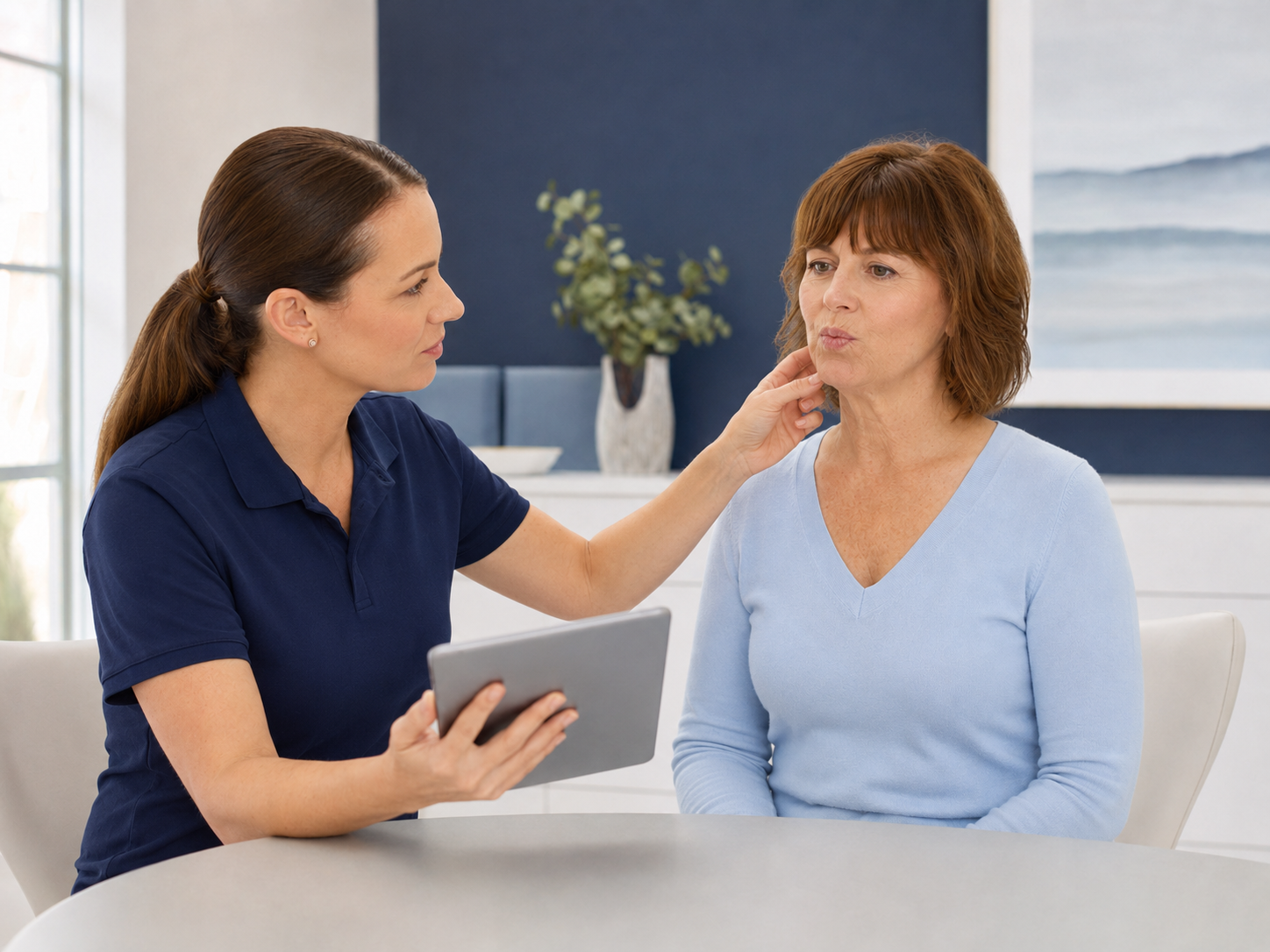 02
02Document facial symmetry, oral-motor function, lip force, and movement quality.
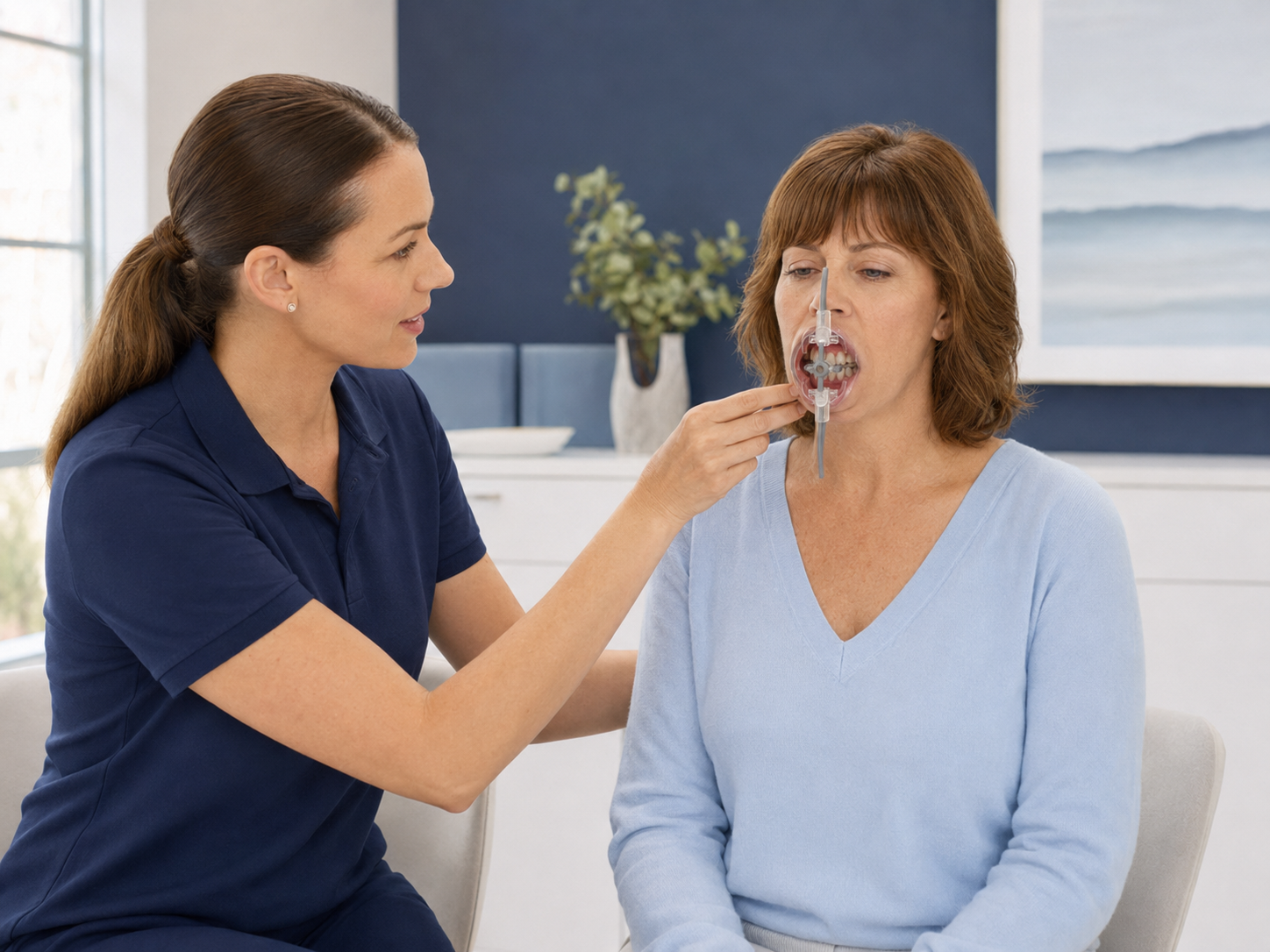 03
03Fit the device and establish a provider-directed resistance protocol.
 04
04Compare follow-up measurements and advance resistance as clinically appropriate.
Bring ISO Metrik into your care pathway
Add calibrated facial resistance therapy to your clinic with onboarding and implementation support.
Start a provider conversation →Discuss how ISO Metrik could fit within your rehabilitation, neurology, or SLP care pathway.
Request a clinical presentation →Join the movement. Elevate care.
Schedule your training consultation and discover how ISO Metrik can differentiate your physical therapy or speech-language pathology (SLP) practice with cutting-edge therapy for facial muscle rehabilitation, dysphagia, and oral motor disorders. Additionally, providers can treat orthopedic and personal injury patients, driving new traffic to their PT clinic.
Join a professional community of physical therapists and speech-language pathologists (SLPs) committed to evidence-based facial therapy that delivers measurable outcomes for patients with facial muscle conditions, neuromuscular disorders, post-stroke recovery, dysphagia, oral motor disorders, and speech rehabilitation needs.
Offer your patients the opportunity to improve facial muscle function, enhance neuromuscular control, and support recovery from conditions like facial paralysis, Bell's palsy, stroke, dysphagia, oral motor disorders, orthopedic injuries, and personal injury recovery, providing lasting therapeutic benefits for both physical and speech rehabilitation.
Become an ISO Metrik certified provider and unlock innovative technology, comprehensive support,
and new growth opportunities for your practice.